
In Online Education, Trust is the Real Currency: How PT Exam Prep Keeps Students at its Center

Passing a licensing exam is one of the highest-stakes milestones in a physiotherapist’s career. It often happens during a season of life that’s anything but stable. Katelyn Proctor, founder of PT Exam Prep, built her entire business around that reality.
PT Exam Prep helps candidates across Canada prepare for the Canadian Physiotherapy Licensing Exam. But what sets the company apart isn’t just a pass rate. It’s a philosophy: earn trust before you ask for anything.
Building trust and authority
In healthcare licensing, credibility isn’t a nice-to-have. It’s the product.
“In our industry, credibility comes from results, real expertise, and delivering value long before someone ever pays for a course.”
PT Exam Prep builds that trust early through genuinely high-quality free resources: 5-Day Study Challenges, live webinars, 10-question mock exams, and an active Instagram presence at @ptexamprep. By the time a candidate considers enrolling, they’ve already experienced the depth, style, and level of support the team provides.
And then there’s word of mouth.
“When a former student tells a friend, ‘They actually care,’ that carries more weight than any marketing campaign ever could.”
The human difference
Preparing for a licensing exam is deeply stressful. Candidates are overwhelmed, second-guessing themselves, sometimes losing sleep. Katelyn made a deliberate decision about how PT Exam Prep shows up in those moments.
All student communication is strictly human-powered. No exceptions.
“At PT Exam Prep, all communication with students is strictly human-powered. When someone emails us, messages us, or joins a program, they are talking to a real person. Full stop.”
In her view, the stakes are too high for anything less. Empathy matters. Nuance matters. Encouragement matters. And in her opinion, AI hasn’t yet matched the level of human connection required to truly support someone through a high-stakes exam journey.
AI behind the scenes
That doesn’t mean PT Exam Prep avoids AI. It means they use it intentionally, in places where it can do the most good without replacing human connection.
Behind the scenes, AI helps build operational systems that scale. When the team transitioned past students into new CPTE courses, calculating personalized credits was complex. Variables included whether a student had taken a live course, a premium course, or used a group discount.
“Because we are fiercely fair with our students, we wanted that process to be consistent and transparent. AI helped us build a standard operating procedure for calculating and issuing custom coupon codes so everyone was treated equitably.”
AI also supports editing educational materials, generating visual aids, and analyzing mock exam performance data to identify score ranges that correlate with passing the real exam.
“AI is our assistant. It improves efficiency and supports quality control. But the teaching, strategy, mentorship, and student support are fully human.”
Fiercely fair, even when it’s hard
When the national physiotherapy exam underwent major changes, PT Exam Prep made a difficult call.
They rebuilt the entire course from scratch to meet the updated standards. Then came the harder question: would they charge full price to students who had already paid for the previous course, attended live sessions, used email support, and written mock exams?
They didn’t.
PT Exam Prep honored the full value of what those students had already paid, allowing it to apply toward the new course. The margins were slim. The process was exhausting.
“Financially, honoring those credits meant very slim margins. It was exhausting and, honestly, a little scary. But it was the right thing to do.”
Success beyond the pass rate
Just months after the new CPTE course launched, hundreds of new students began enrolling through word of mouth alone.
“That, to me, is the ultimate confirmation that doing right by people always wins in the long run.”
For Katelyn, success isn’t just pass rates. It’s being a steady, reliable presence during one of the most stressful seasons of a clinician’s career.
“We want to build confident clinicians, not just students who scrape by on an exam.”
That means answering questions about resumes. Talking through job interviews. Addressing mindset blocks. And if a student is unsuccessful, they don’t disappear into a spreadsheet. The team meets with them personally, reviews what happened, and builds a plan forward.
“No one flies under our radar.”
Advice for other education businesses
Katelyn’s advice is rooted in the same philosophy that built her business.
Start by remembering what you’re actually building.
“You are not building a course. You are building trust.”
She encourages other course creators to do the unscalable work early: answer the emails yourself, refine your explanations, re-record a lesson if it isn’t clear enough. The polish comes later. The trust is built at the beginning.
Be willing to make fair calls, even when they cost you.
“There will be moments where doing the right thing is not the most profitable short-term decision. Do it anyway. In the long run, integrity compounds. Word of mouth compounds. Reputation compounds.”
And use technology wisely.
“Let it strengthen your systems and improve efficiency, but do not let it replace the human experience. Online education should still feel personal, supported, and connected.”
Her final piece of advice: play the long game.
“There will always be someone who is louder, cheaper, or more automated. Let them be. If you obsess over your students’ success, protect your integrity, and consistently do more than expected, you will win in the long run.”
See related Case Studies
-

Carrick Institute Builds a Platform Worthy of Its Curriculum
Read more: Carrick Institute Builds a Platform Worthy of Its CurriculumCarrick Institute, a global leader in clinical neuroscience education, successfully transitioned its extensive curriculum of 385 courses and 4,400+ hours of content to Thinkific Plus.
-
In Online Education, Trust is the Real Currency: How PT Exam Prep Keeps Students at its Center
Read more: In Online Education, Trust is the Real Currency: How PT Exam Prep Keeps Students at its CenterKatelyn Proctor of PT Exam Prep on how earning trust before asking for anything became her most powerful growth strategy.
-
Z-Health Scales a Global Certification Business With Thinkific Plus
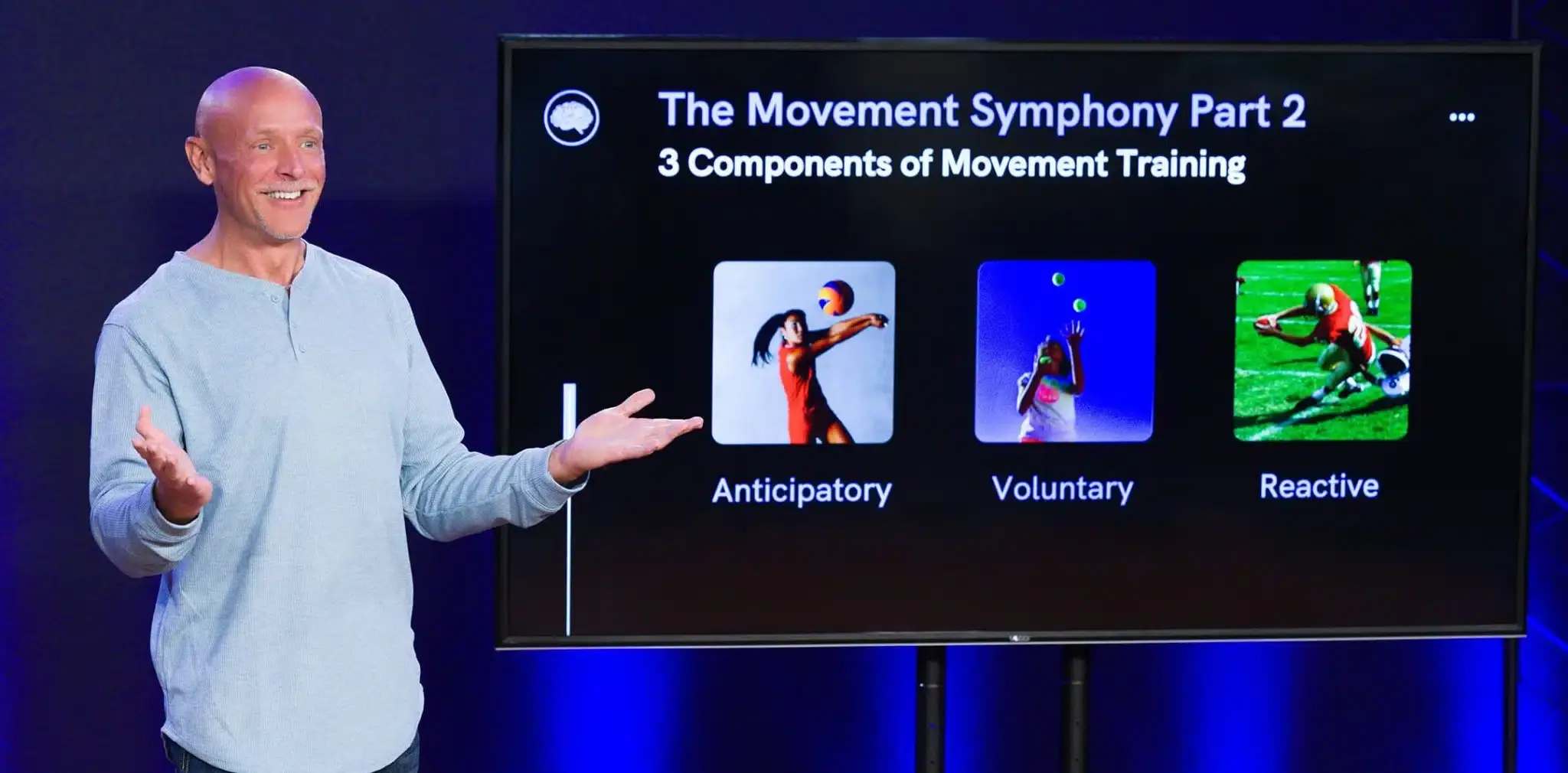
Read more: Z-Health Scales a Global Certification Business With Thinkific PlusToday, Z-Health serves more than 16,000 learners across 30+ courses. Learn how they scaled a global online university for healthcare professionals.